What to Wear to BJJ Training: A Complete Gear Checklist
What to Wear to BJJ Training: A Complete Gear Checklist
Rocking up to your first BJJ class and not knowing what to wear is a rite of passage — most of us did it. Save yourself the awkwardness with this checklist of what you actually need.
For Gi Classes
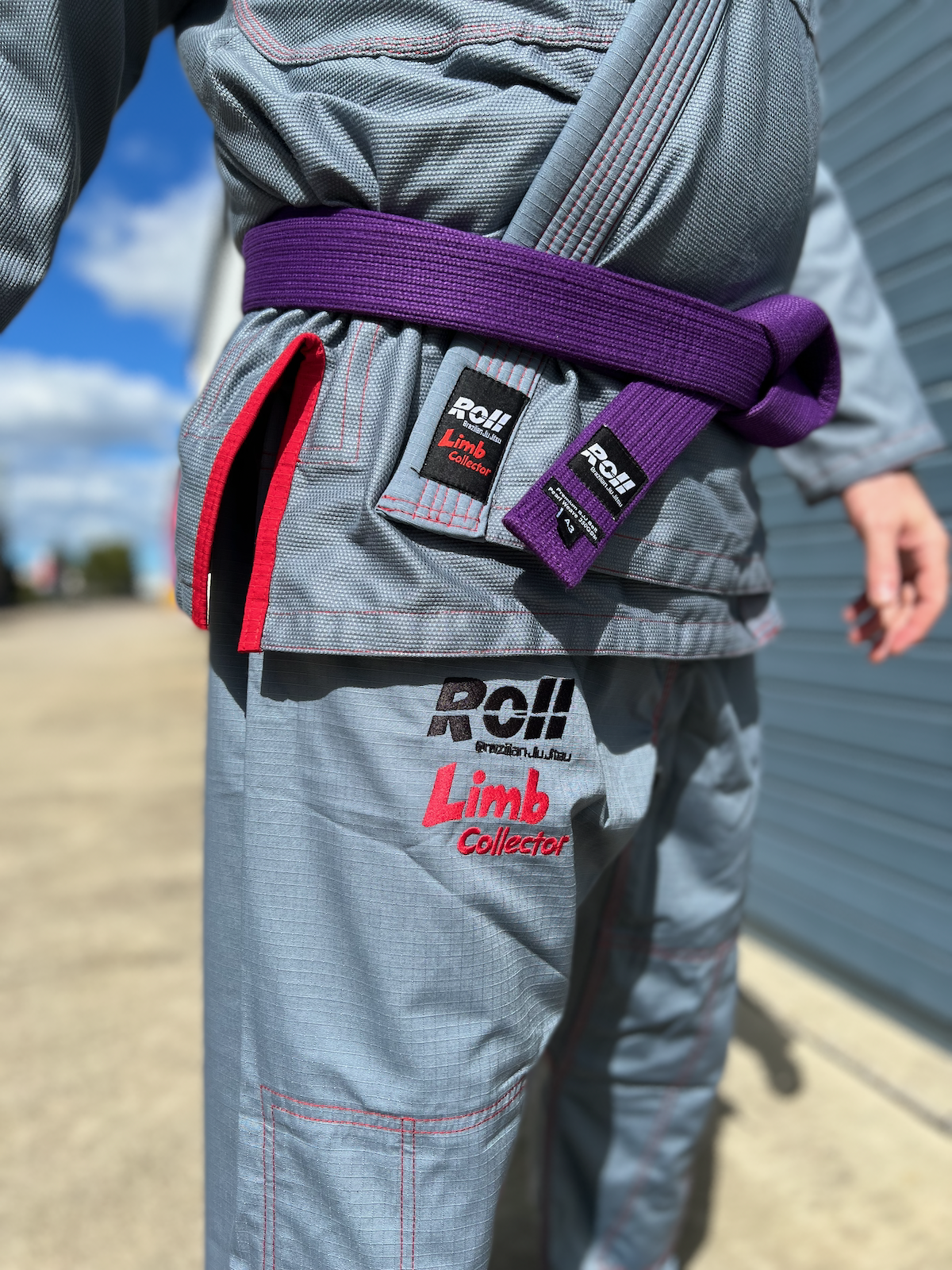
BJJ Gi — the jacket and pants. Non-negotiable for gi classes. Make sure it’s washed and doesn’t smell.
Belt — beginners start on white belt. Your gym may provide one, or you’ll need to buy one separately.
Rash guard — worn under the gi jacket. Reduces mat burn and keeps the gi cleaner. Optional but recommended.
Compression shorts — worn under gi pants for comfort and hygiene. Optional.
Thongs to and from the mat — never wear shoes on the mats, but don’t walk barefoot off them either.
Mouth guard — not always mandatory but smart to have for sparring.
Trimmed nails — keep fingernails and toenails short. This is mat safety, not aesthetics.
For No-Gi Classes
Rash guard — fitted long or short sleeve. Loose shirts are a submission hazard and generally not allowed.
BJJ shorts or compression spats — board shorts with deep pockets or Velcro that can catch fingers are usually banned. Dedicated BJJ shorts are the right call.
What NOT to Wear
Jewellery of any kind — rings, necklaces, earrings are a serious injury risk. Shoes on the mat. A gi with holes or rips. Anything with exposed metal. Baggy t-shirts in no-gi.
What About Your First Class?
Most gyms let you attend a trial class in sports clothes — a fitted t-shirt and board shorts is fine for one session. But if you’re going to keep training, get a gi within the first week or two. Training without one limits what you can learn and drill with partners.
How Many Gis Do You Need?
Training 2–3 times a week: one gi works — wash and hang dry after each session. Training four or more times a week: two gis makes life much easier. One dries while you train in the other.
Where to Buy BJJ Gear in Australia
Roll BJJ ships Australia-wide for $10 flat (free over $250). We make gis, rash guards, shorts, and belts — all designed for people who actually train.