Roll Harder This Winter — Limited Edition Gis from $110!
Free Shipping Australia-wide on orders over $250

Author: Claude AI

What to Wear to BJJ Training: A Complete Gear Checklist

What to Wear to BJJ Training: A Complete Gear Checklist

Rocking up to your first BJJ class and not knowing what to wear is a rite of passage — most of us did it. Save yourself the awkwardness with this checklist of what you actually need.

For Gi Classes

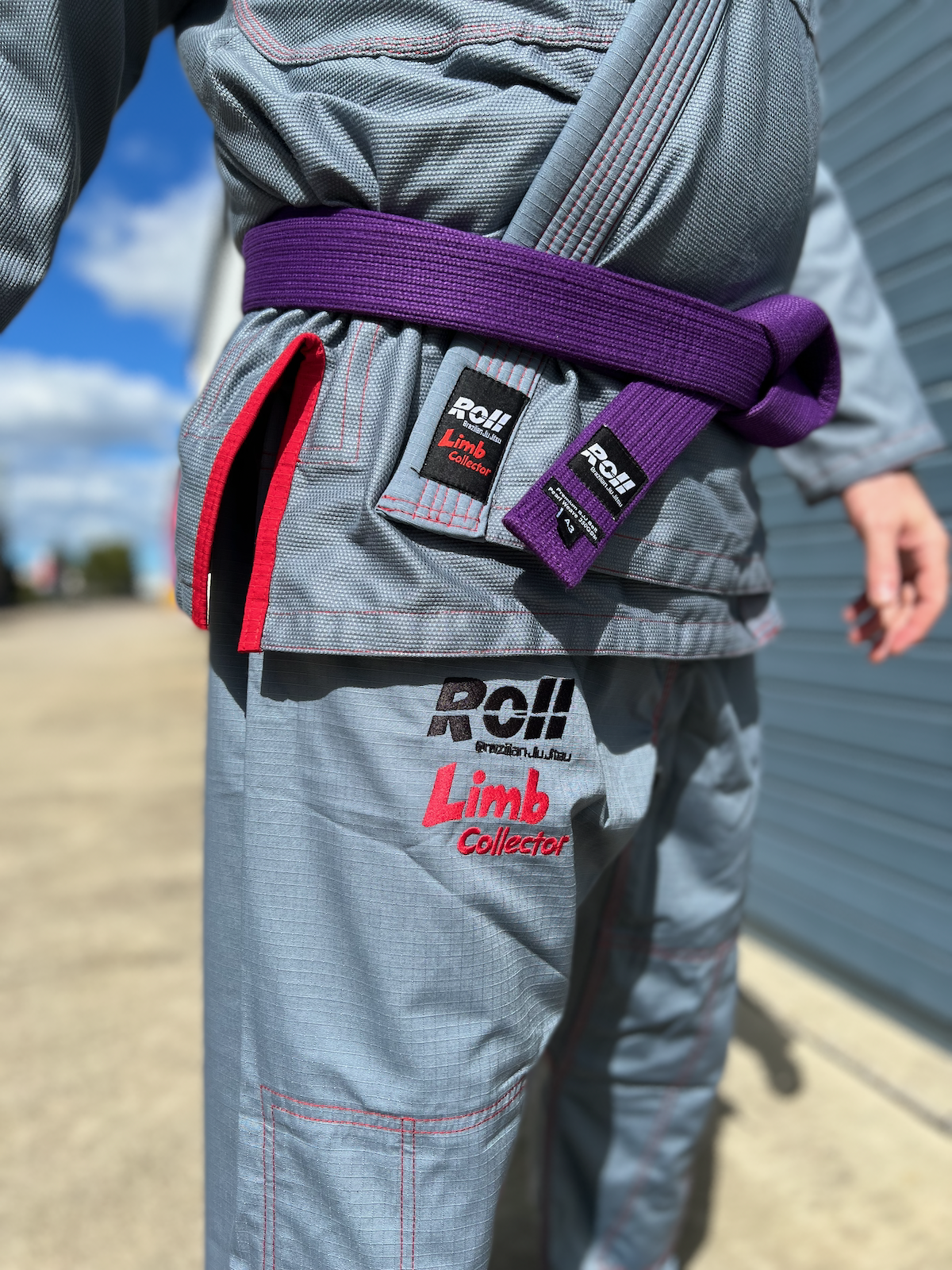
BJJ Gi — the jacket and pants. Non-negotiable for gi classes. Make sure it’s washed and doesn’t smell.

Belt — beginners start on white belt. Your gym may provide one, or you’ll need to buy one separately.

Rash guard — worn under the gi jacket. Reduces mat burn and keeps the gi cleaner. Optional but recommended.

Compression shorts — worn under gi pants for comfort and hygiene. Optional.

Thongs to and from the mat — never wear shoes on the mats, but don’t walk barefoot off them either.

Mouth guard — not always mandatory but smart to have for sparring.

Trimmed nails — keep fingernails and toenails short. This is mat safety, not aesthetics.

For No-Gi Classes

Rash guard — fitted long or short sleeve. Loose shirts are a submission hazard and generally not allowed.

BJJ shorts or compression spats — board shorts with deep pockets or Velcro that can catch fingers are usually banned. Dedicated BJJ shorts are the right call.

What NOT to Wear

Jewellery of any kind — rings, necklaces, earrings are a serious injury risk. Shoes on the mat. A gi with holes or rips. Anything with exposed metal. Baggy t-shirts in no-gi.

What About Your First Class?

Most gyms let you attend a trial class in sports clothes — a fitted t-shirt and board shorts is fine for one session. But if you’re going to keep training, get a gi within the first week or two. Training without one limits what you can learn and drill with partners.

How Many Gis Do You Need?

Training 2–3 times a week: one gi works — wash and hang dry after each session. Training four or more times a week: two gis makes life much easier. One dries while you train in the other.

Where to Buy BJJ Gear in Australia

Roll BJJ ships Australia-wide for $10 flat (free over $250). We make gis, rash guards, shorts, and belts — all designed for people who actually train.
See what’s in stock →

Continue reading

Gi vs No-Gi BJJ: Which Should You Train?

Gi vs No-Gi BJJ: Which Should You Train?

One of the most common questions new BJJ students ask is whether to train gi, no-gi, or both. The honest answer is: ideally both, eventually. But understanding the differences will help you decide where to start and why.

What’s the Difference?

Gi BJJ is practised wearing a traditional uniform — jacket, pants, and belt. The gi introduces collar and sleeve grips that create an entirely different game of technique and control. No-gi is practised in shorts and a rash guard. It’s faster and more applicable to real-world self-defence or MMA.

Arguments for Starting with Gi

Most BJJ coaches recommend beginners start with gi. The gi slows the game down, giving new students more time to think and learn positions. The grip-intensive nature builds a stronger technical foundation — if you can work precise technique in a gi, you’ll adapt to no-gi quickly.

Arguments for No-Gi

No-gi transfers more directly to wrestling, MMA, and self-defence scenarios. It’s also more athletic and physically demanding. If your goal is submission grappling competition (ADCC-style), no-gi is where you’ll compete.

What Do the Top Competitors Do?

Most elite grapplers train both. Gordon Ryan — arguably the best no-gi grappler alive — came up through gi training. Cross-training both develops a more complete game. Gi teaches precision; no-gi teaches athleticism and explosiveness.

What Do Most Australian Gyms Offer?

Most Australian BJJ academies run a mix of gi and no-gi classes. Check your local gym’s timetable. Some schools lean one way based on the head coach’s background. If you’re unsure, ask before signing up.

The Practical Consideration: Cost

Gi training requires a gi ($110–$180 for a quality option), a belt, and optionally a rash guard underneath. No-gi requires shorts and a rash guard. Both are affordable. A single good gi will see you through your first year without any additional investment.

Our Take

Start with gi. Learn the fundamentals with the precision that only collar and sleeve grips force you to develop. Add no-gi later — you’ll be better at both for doing it that way.

Browse our gi range →

Continue reading

How to Wash and Care for Your BJJ Gi (So It Actually Lasts)

How to Wash and Care for Your BJJ Gi (So It Actually Lasts)

A quality BJJ gi is an investment. Treat it right and it’ll last years of hard training. Treat it wrong and you’ll be shrinking it into a kids’ size or ruining the fabric within a few months. Here’s everything you need to know.

The Golden Rules of Gi Care

Wash cold (30°C max). Hang dry only — never tumble dry. Wash after every single session. Turn inside out before washing. Don’t leave it damp in your bag.

Why Cold Wash?

Hot water causes cotton fibres to contract — meaning your gi shrinks. Pearl weave and ripstop cotton will shrink significantly in a hot wash or dryer. Even one hot wash can drop a perfectly fitting A2 into something closer to an A1. Wash cold every time and you’ll keep the fit you paid for.

Why No Tumble Dryer?

The tumble dryer is the fastest way to ruin a good gi. The heat shrinks it, breaks down the fibres, and damages printed or embroidered details. Hang dry on a rack or line — in the Australian summer, a gi hung outside dries in a couple of hours anyway.

Washing After Every Session — Is That Necessary?

Yes. No exceptions. A damp, sweaty gi breeds bacteria and develops odours that are nearly impossible to fully remove. More importantly, your training partners will notice. Washing after every session is basic mat hygiene.

What Detergent Should You Use?

A standard cold-water laundry detergent is fine. Avoid fabric softener — it coats the fibres and reduces breathability. For stubborn sweat smells, add half a cup of white vinegar to the cycle. It neutralises odours without damaging the fabric.

Dealing with Stains

Blood and grass stains need cold water and speed — cold water dissolves blood, hot water sets it permanently. Apply cold water and a small amount of dish soap directly to the stain before washing. For older stains, a 30-minute soak in cold salt water can help.

First Wash: Expect Some Shrinkage

Even with cold washing, most gis shrink slightly after the first wash as the fabric settles. This is normal — which is why our size guide recommends sizing up if you’re between sizes. After the first couple of washes, shrinkage stops.

Ready for a Gi That Holds Up?

Continue reading

BJJ for Kids in Australia: What Parents Need to Know (And What to Buy)

BJJ for Kids in Australia: What Parents Need to Know (And What to Buy)

Brazilian Jiu Jitsu is one of the best sports you can put your kids into — it builds confidence, teaches problem solving under pressure, and gives them tools to handle conflict without violence. If you’re new to BJJ, here’s what you actually need to know.

Why BJJ is Great for Kids

Unlike striking martial arts, BJJ is positional and technical — kids learn to control situations rather than hurt people. The problem-solving aspect keeps smart kids engaged in a way that team sports sometimes don’t. The BJJ community in Australia is strong and welcoming, with most gyms running dedicated kids’ classes.

What Age Can Kids Start BJJ?

Most gyms accept kids from around 4–5 years old for introductory classes. Serious technical training typically starts around 6–7 when kids have the coordination to retain technique. The best move is to take them to a trial class and see how they respond.

What Gear Does Your Child Need?

BJJ Gi

A gi is the traditional uniform — a heavy-duty jacket, pants, and belt. Most kids’ classes require one. Look for 380gsm pearl weave, ripstop pants, and proper sizing. Our kids’ gi is built to the same standard as our adult range.

Belt

Your child’s gym will advise on their starting belt colour. Most kids start on white. A quality belt matters — cheap ones fray quickly. Our BJJ junior belts are cut for kids’ sizing and hold their knot properly.

Rash Guard

A rash guard worn under the gi jacket protects skin from mat burns and keeps the gi cleaner longer. Not mandatory, but most regular practitioners use one.

How to Size a Kids’ Gi

Kids’ gi sizes run from M00 (age 3–5) through M4 (age 13–15). Use your child’s height as the primary guide. If they’re between sizes, go up. See our full BJJ Gi Size Guide for the complete kids’ sizing chart.

How to Find a Good Kids’ BJJ Gym in Australia

Look for dedicated kids’ classes, experienced coaches, a clean facility, and a clear curriculum. Attend a trial class before committing — most reputable gyms offer one free. Check that the gym has a child protection policy in place.

Ready to Gear Up?

We make kids’ gis that can handle everything they throw at them — and look great doing it. Shop the kids’ gi →

Continue reading

How to Choose a BJJ Gi: A Beginner’s Guide for Australian Grapplers

How to Choose a BJJ Gi: A Beginner’s Guide for Australian Grapplers

Picking your first BJJ gi can feel overwhelming — there are dozens of brands, different weave weights, confusing size charts, and a huge range of prices. This guide cuts through the noise so you can get on the mat with the right gear.

What to Look for in a BJJ Gi

Weave Weight

The most common weave weights are 350gsm–450gsm. A 380gsm pearl weave is the sweet spot — light enough for summer training in Australia, durable enough to survive years on the mat. Ultra-light gis feel great in warm weather but wear out faster. Heavy gis are built tough but can feel like training in a doona.

Pants Fabric

Ripstop pants are the standard for a reason. The cross-weave pattern resists tearing when your training partner stands in your guard. Regular cotton works but won’t last as long under regular training.

Fit

A gi should be snug but not restrictive. You need full shoulder movement for collar grips and underhooks. Check our BJJ Gi Size Guide for specific measurements.

IBJJF Compliance

If you plan to compete, check that your gi is competition legal. IBJJF rules require white, blue, or black gis with minimal patches and correct sleeve/pant lengths.

How Much Should You Spend?

In Australia, expect to pay $100–$180 for a quality gi that will hold up to regular training. Buying cheap twice is more expensive than buying right once.

White, Blue, or Black?

For training, it’s personal preference. White shows dirt more visibly; blue and black hide stains better. All three are IBJJF competition legal. Pick what you’ll enjoy wearing — you’ll train harder in gear you like.

One Gi or Two?

If you’re training three or more times a week, two gis is ideal — one dries while you train in the other. Starting with one is fine; just wash after every session and hang dry.

The Roll BJJ Difference

We’re a family BJJ brand based in Australia. Every gi uses 380gsm pearl weave and ripstop pants, and we design every piece ourselves. Limited runs mean you won’t show up to training in the same generic gi as everyone else.

Browse our current gi range →

Continue reading